
Disaster Restoration Works

Flood & Water Damage Restoration Services

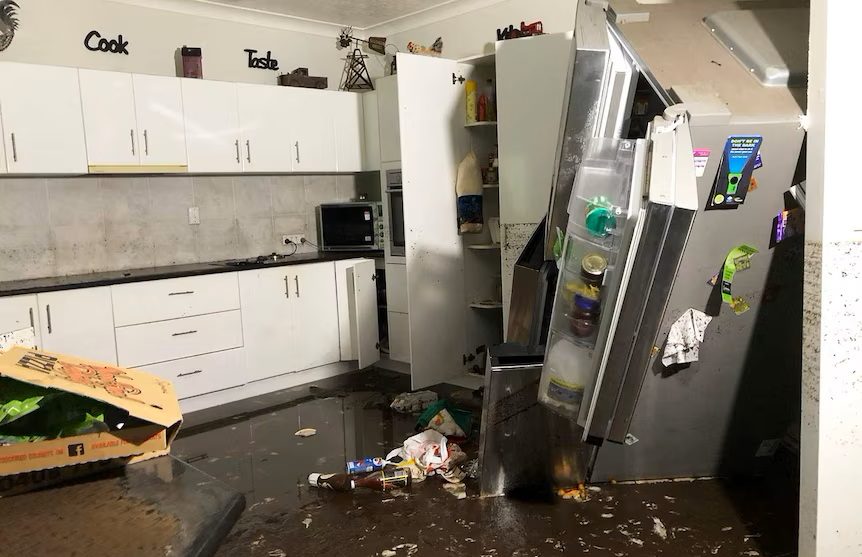
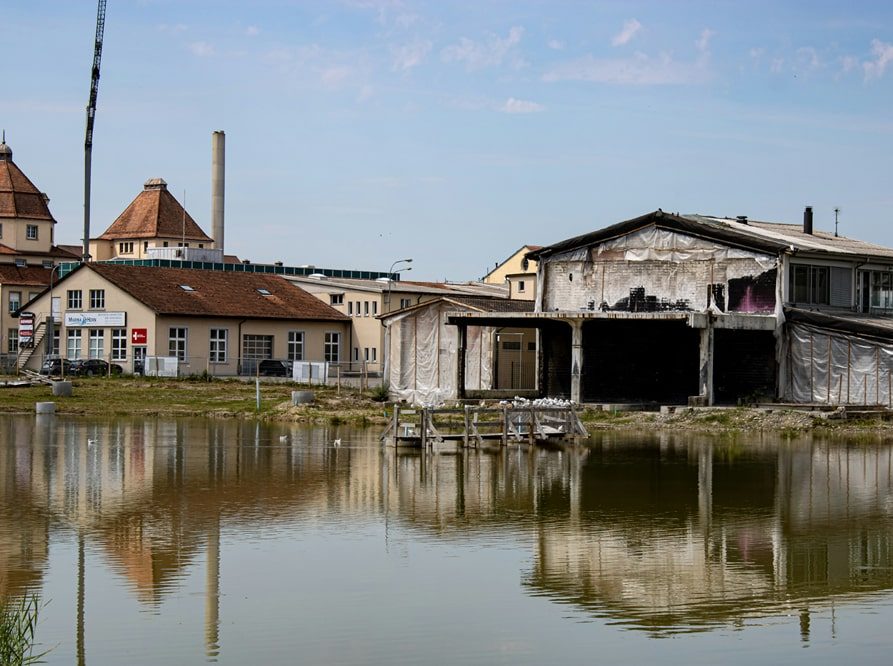
As a business owner, disasters like floods can be devastating, especially if your business is located in a commercially active area near rivers or water bodies. Water damage—whether from plumbing leaks, storms, flooding, or other causes such as heavy rainfall, firefighting efforts, broken pipes, leaks, accidents, or vandalism—can lead to odours, mold, pests, and even structural damage if not addressed promptly. The ripple effect on property, business activities, people and the insurance sector can be huge without major preventative actions that can lead to expensive business interruptions and unplanned compensation claims. That’s why it’s so critical to restore the compromised materials promptly, which can help reduce replacement costs and downtime.

Well, Bright Symphony has got your back. Our trained and professional cleaning and repair technicians will quickly solve your problems, so you can get back to doing business the easy way. Simply focus on getting back to prime—leave the damage to us.

OVERVIEW

Areas Affected by Water/Flood Damage in Commercial/Industrial Buildings and Homes

Water and flood damage can have a devastating effect on commercial/industrial properties as well as homes. Damage often includes basements, storage areas, electrical systems, HVAC units, and machinery, forcing businesses to either stop operations or pay costly repairs. In households, commonly damaged spaces are basements, crawl spaces, living rooms, kitchens and bedrooms, damaging furniture, flooring, and personal items. Structural elements such as drywall, insulation and foundations are also highly vulnerable, increasing the possibility of mold and long-term decay. Rapid water removal and drying are critical to avoid more damage and health hazards in both property types. Good mitigation reduces losses — and saves lives.

Disaster Restoration Works

Benefits of Water Damage Restoration

Minimizes financial losses

by reducing reconstruction costs and downtime.

Limits disruptions

to business and production operations during relocation and rebuilding.

Lowers insurance claim expenses

by decreasing damage compensation payouts.

Enhances the salvage value

of damaged goods or assets.

Disaster Restoration Works

Our Step-by-Step Water Damage Restoration Process

We are organized and methodical water restoration services provider carrying out the tasks at Bright Symphony. We utilize the latest techniques to ensure your safety and prevent long-term problems like mold or structural damage. Here’s how we do it:

STEP 01

Site Inspection & Assessment

The extent of the damage due to water is quickly evaluated on-site by our team. To prevent further damage, we identify the source of the water intrusion (such as flooding, pipe burst, sewage backup, etc). We order the restoration based on a detailed inspection.

STEP 02

Safety Check and Hazard Mitigation

Before we start any work, we check to make sure the structure of the building is safe to enter. They immediately address electrical hazards, weakened floors and risks of contaminated water. If needed, we cordon off the area to avoid any accidents while restoring the property.

STEP 03

Water Extraction & Removal

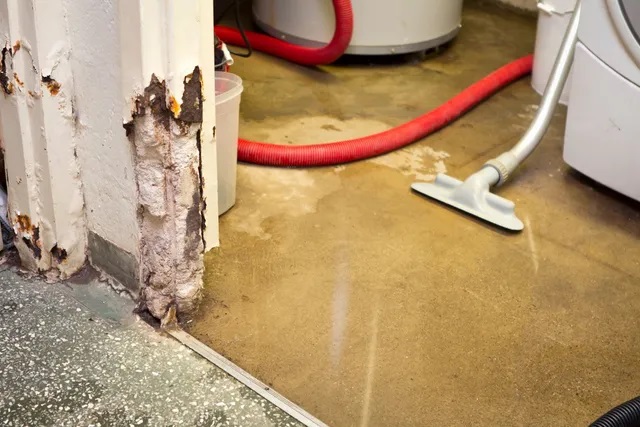
All standing water is removed from the property using industrial-grade pumps and vacuums. For areas that are out of reach like under flooring and within walls, specialized equipment is used. Quick removal of the water will lessen further damages and assist in the drying process.

STEP 04

Deep Cleaning & Sanitization

Walls, floors, and furniture are also cleaned using disinfectants. When we are dealing with sewage or contaminated water, we utilize antimicrobial treatments to kill pathogens and harmful bacteria. Odor-neutralizing agents get rid of musty odours from the stagnant water.

STEP 05

Drying & Dehumidification

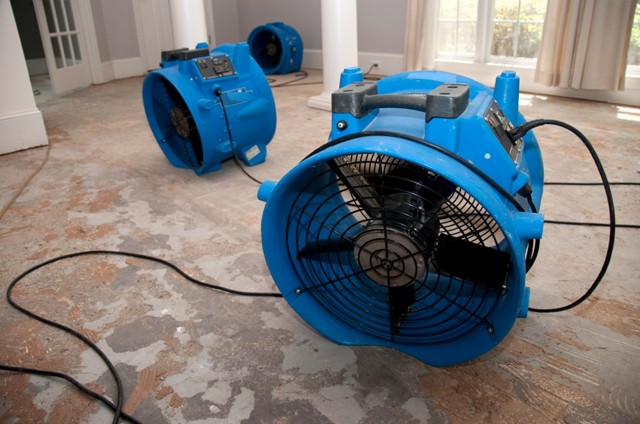
Our water damage restoration professionals will place high-powered air movers and industrial dehumidifiers in strategic locations to complete the drying process. Moisture meters check progress to ensure that concealed dampness (in walls, carpets and subfloors) is completely removed. Proper drying will keep mold from forming, wood from warping, and other long-term structural issues from developing.

STEP 06

Final Verification & Client Updates

We do a walkthrough check for any water damage & make sure that property is ready to move in. During the whole process, we give you regular updates to keep you in the loop at all times. We aim to provide perfect restoration with minimal interference with your daily routine.

For many years Bright Symphony offer water damage restoration services and reliably, bringing your damaged property to its previous condition.

disaster restoration works

Flood Safety Tips for Businesses

Here are some key safety measures to keep your business safe from flooding:

Elevate Storage

Utilize the top floor of your building to store inventory, materials, and valuables.

Protect Electrics

Keep electrical equipment, circuits, sockets, and phone cables above potential flood levels.

Alert the Suppliers

Alert the suppliers about any flood-prone areas to avoid delay or shutdown.

Educate Employees

Raise awareness among your staff about flood safety protocols and emergency rescue procedures.

Disaster Insurance Program

Join a reliable disaster insurance program for flood-related damages.

Check Your Coverage

Confirm that your insurance policy specifically includes flood protection.

Keep Chemicals Safe

Store chemical products that can be harmful from the first floor. These precautions help prevent risk and protect your business during floods.

Flood Emergency Plan

Develop a clear response plan that includes evacuation routes, emergency contacts, and roles for employees during a flood. Regularly review and practice this plan.

Backup Critical Data

Store important business data, documents, and records in secure cloud storage or off-site locations to prevent loss during flooding.

FAQs About Water Damage Restoration

What should I do immediately after a flood causes water damage?

  • Exercise caution. Don’t risk entering an area that flooded if there’s standing water around electrical outlets or appliances.
  • Prevent the source of water if you can (e.g., close the main water valve).
  • Have photos and/or videos of damage to documents for insurance claims.
  • Call in a flood damage restoration company right away—floodwater often contain contaminants (sewage, chemicals) that need to be professionally cleaned.
  • Minor flooding: 3–7 days (drying, basic repairs).
  • Severe flooding: Weeks to months (for structural damage, mold remediation and rebuilding).
  • Water contamination level (i.e. Category 3 “black water” / flood damage, requires almost complete sanitization).
  • Many standard homeowners’ policies do not cover flood damage — and you’ll need separate flood insurance.
  • Note: Exceptions might apply if flooding is caused by a covered peril (e.g., burst pipes). Check your policy details.
  • Not recommended for large floods. Diseased, contaminated water (sewage, chemicals) have possibilities of health hazards. Water damage restorations professionals have PPE, industrial pumps, and approved disinfectant.
  • For less-dramatic flooding, you can begin removing water with wet vacuums and get air circulating, but seek professionals to evade mold.
  • Take action within 24–48 hours: Mold loves damp places.
  • Take out soaked items (carpets, drywall, furniture) that can’t be saved.
  • Use dehumidifiers and air scrubbers to thoroughly dry the area.
  • Utilize anti-microbials to inhibit mold spores from spreading.

Once your home is restored, evaluate flood-proofing your home (such as with sump pumps, backflow valves, and the elevation of electrical systems) to mitigate your risk in the future.